

Some things in life are just meant to be together: coffee and a good book, long weekends, and relaxation, or even just a cozy sweater on a chilly day. In the same way, aromatherapy and music therapy are a dream team, working in harmony to soothe your mind, body, and spirit.
When I am feeling stressed or just need to hit the reset button, I love to put on a comforting playlist and breathe in the scent of an essential oil. While each of these can-do wonders on their own, I’ve found that using them together creates a powerful synergy that really enhances my mood. Whether I’m looking to unwind with the calming scent of lavender and some gentle acoustic tunes, or I want to feel more energized with a vibrant pop playlist and a zesty citrus oil, they never fail to shift my emotional state. The science behind this is fascinating, and it is all about how these two simple practices connect directly with the emotional centres of our brain.
The Science of Scents
Our sense of smell is incredibly powerful—it’s actually one of the very first senses to develop, even before we’re born. What makes it so special is its direct connection to the brain. When you inhale an aroma, the scent molecules travel straight to the amygdala and hippocampus—the parts of the brain responsible for emotions and memory. Unlike our other senses (like sight or hearing), smell bypasses the part of the brain that simply processes information, which is why a certain scent can immediately trigger a vivid memory or a strong feeling, without any conscious thought.
This direct link means that aromas can influence our emotions and behaviour on a primal level. Think about how a certain smell can instantly calm you down or make you feel more alert. It’s a protective mechanism, like smelling spoiled milk, but it can also be a source of immense joy. This unique connection is why essential oils are so effective at helping to relieve stress and anxiety.
he powerful connection between aromatherapy and music lies in their shared pathway to the limbic system, a primitive part of our brain responsible for emotion, motivation, and memory. Both smell and sound bypass the logical, conscious parts of the brain and go directly to this emotional hub, which is why a scent or a song can instantly trigger a strong feeling or a vivid memory without you even thinking about it.
Aromatherapy’s Direct Link to Emotion
Our sense of smell is unique among our five senses. When you inhale an aroma, the scent molecules travel through your nasal cavity to the olfactory bulb, which is directly connected to the amygdala and hippocampus.
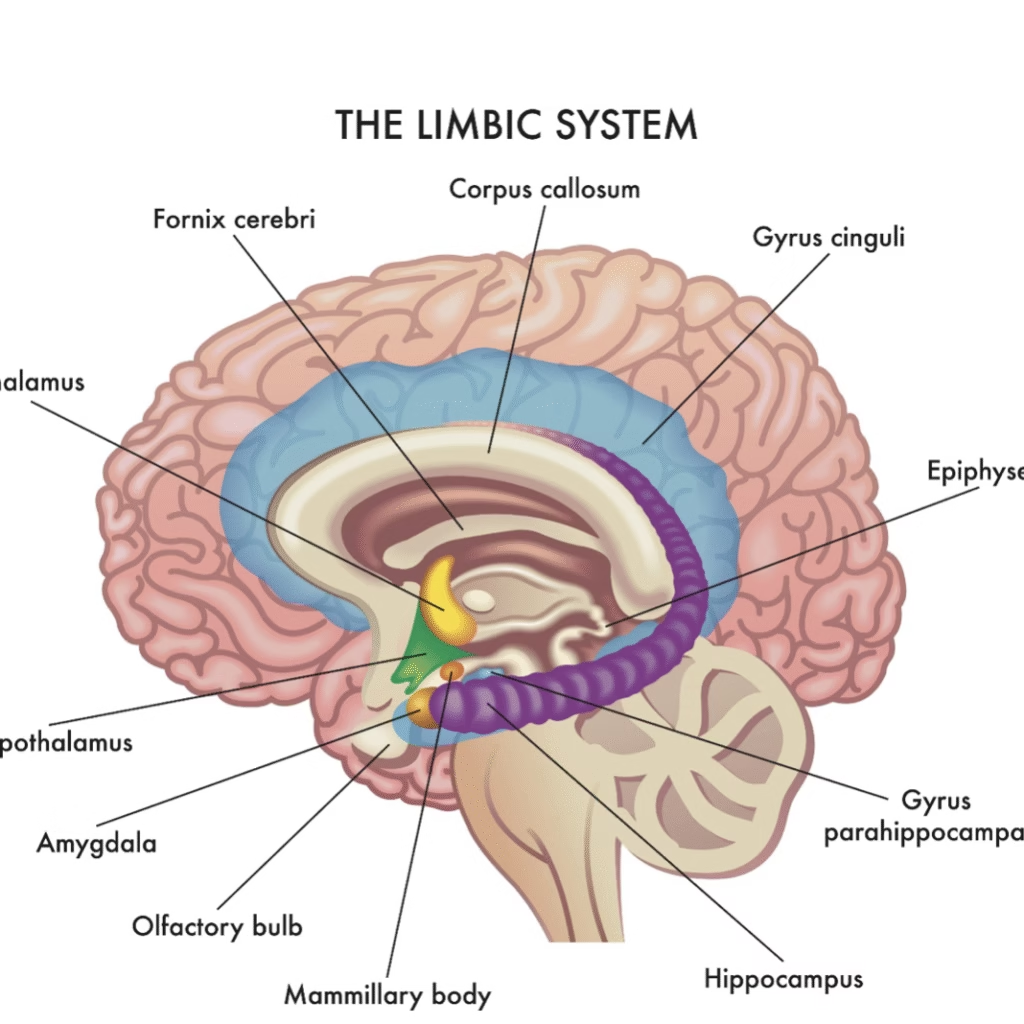
This immediate, unfiltered access to the brain’s emotional center is why aromatherapy can have such a profound and immediate effect on mood, stress, and anxiety. For instance, inhaling lavender essential oil can trigger a relaxation response by influencing neurotransmitters like serotonin and dopamine, which are key to regulating mood.
The Magic of Music
Just like a favourite scent, a song can instantly brighten your day or make you feel nostalgic. When you listen to music, it also directly impacts your limbic system and activates the amygdala. This is why we have “breakup playlists” or why a certain song can make you cry or feel a wave of peace. Music also triggers the release of dopamine in the brain, which is a key player in our emotional well-being and motivation.
Music’s Effect on the Brain and Body
Music also activates the limbic system, particularly the amygdala. Listening to music you enjoy can release dopamine, a neurotransmitter associated with pleasure and reward. This is why a favorite song can instantly lift your spirits or why a sad song can help you process grief. The rhythm and tempo of music also have a direct impact on your autonomic nervous system, which controls involuntary bodily functions. Listening to slow, calming music can lower your heart rate and blood pressure, while upbeat music can energize you and increase alertness.
Music’s Impact on Animals
The calming or arousing effects of music aren’t limited to humans; they extend to the animal kingdom as well. Studies have shown that music can influence the behaviour and physiology of various species, from domestic pets to farm animals and even wildlife.
Dogs and Cats
For dogs, classical music has been shown to reduce barking and anxiety, leading to more relaxed behaviours, especially in shelters. This is thought to be due to the slower tempo and consistent rhythm, which mimics a calm heartbeat. Conversely, heavy metal music can lead to increased agitation. For cats, research suggests they prefer “species-specific” music that uses frequencies and tempos like their own vocalizations and purring. When played this music, cats showed signs of relaxation and contentment.
Farm Animals
In agriculture, playing music for cows has been shown to increase milk production. Scientists believe that the relaxing effect of certain music genres, like classical or even gentle country, reduces stress in the cows, leading to a more favourable physiological state for milk production. Similarly, chickens exposed to calming music have been found to be less aggressive and more relaxed.
The Perfect Duo
Because both aromatherapy and music have a direct line to the emotional and memory centres of the brain, using them together creates a powerful, combined effect. Studies have shown that this combination can be especially helpful for reducing anxiety and stress. Whether it is to calm down before a dental procedure or to feel more at ease during a medical scan, the evidence shows that when you pair a soothing scent with relaxing music, the benefits are even greater.
So, the next time you are feeling anxious or just need a mood boost, put on a playlist you love and grab your favourite essential oil. Let the scents and sounds work their magic on your brain’s limbic system, and notice the difference in how you feel!


Add a Comment