
0160–80 delegates
HNIs & Family Principals
Personal wealth directed toward wellness real estate, longevity programmes, and consciousness-led lifestyle infrastructure.
10 & 11 September 2026 · Dubai, UAE · Early‑bird pricing closes 31 July
MysticVerse Global 2026 · 10 & 11 September · Dubai
Two days in Dubai. Four pillars. One curated room where wellness real estate, workplace wellbeing, longevity, and ancient wisdom converge — and the people building the conscious luxury economy meet the people buying into it.
The Premise
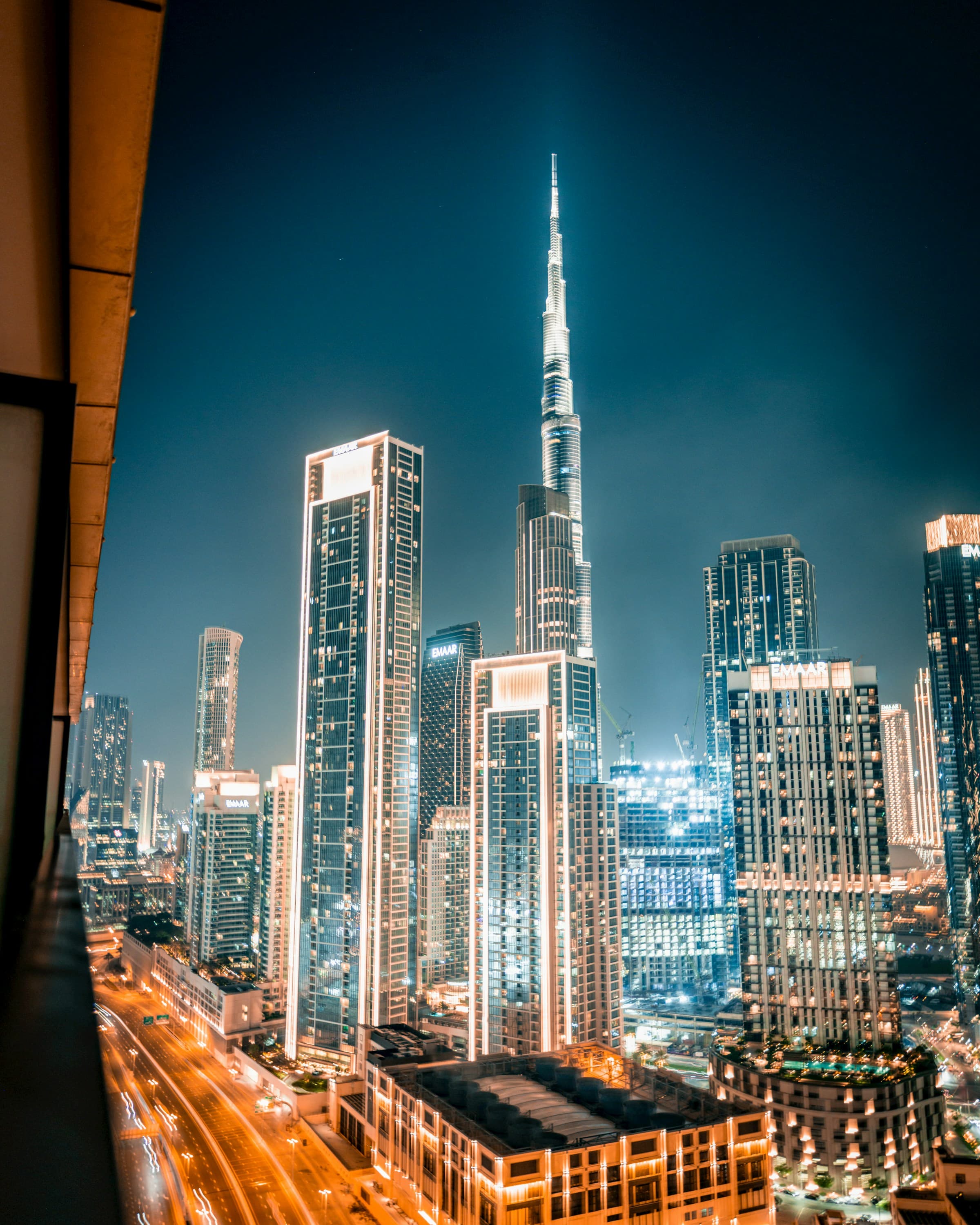
MysticVerse Global turns conscious luxury living, workplace wellbeing, and human performance into a 12-month commercial conversation — anchored to two days in Dubai, the geographic centre of a USD 1.1 trillion wellness real estate economy.
Designed for the people who matter to it
The Programme
Each pillar speaks to a distinct audience and unlocks a distinct commercial vertical. All four converge on the main stage.
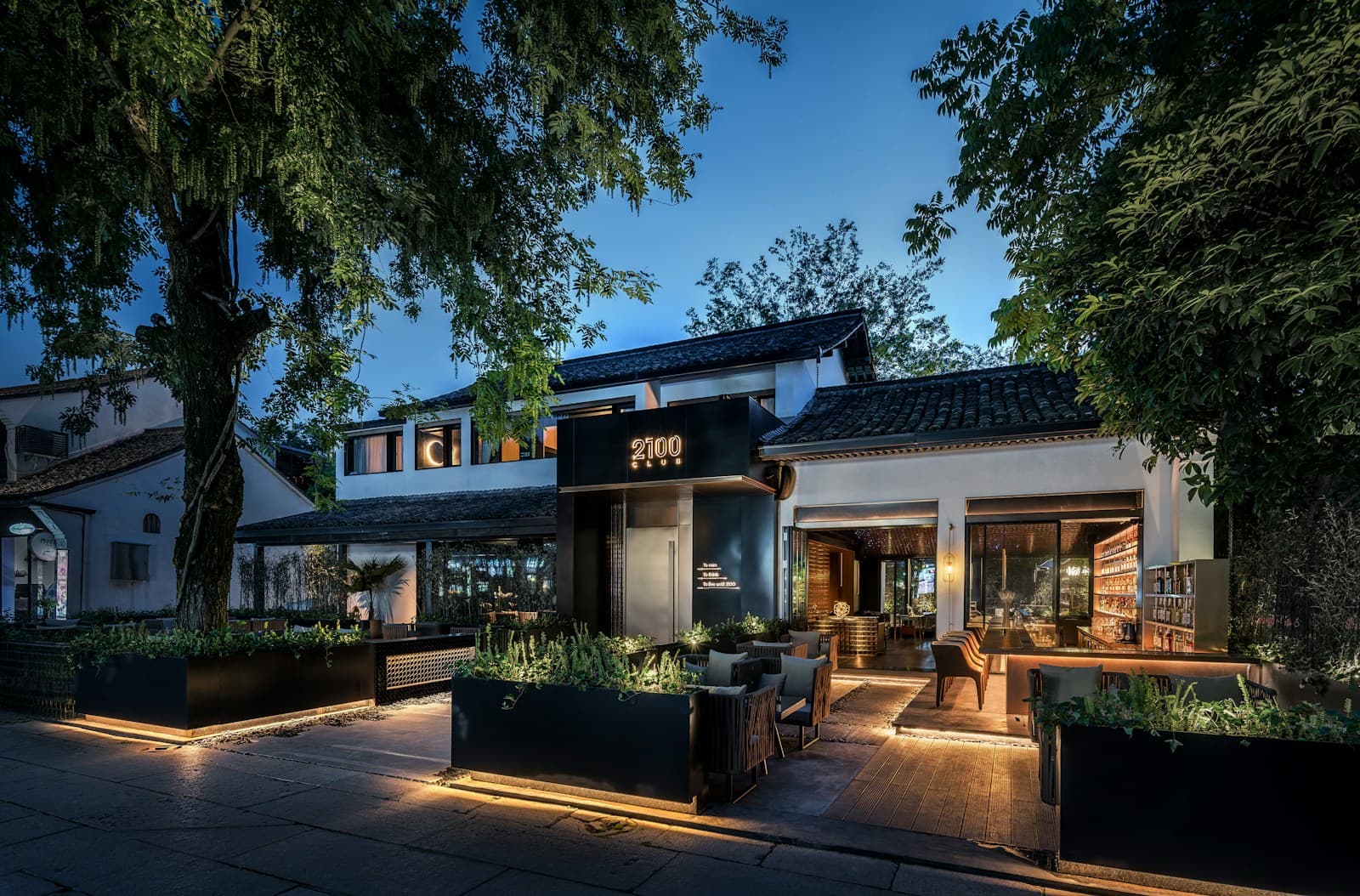
Wellness residences, branded communities, biophilic architecture, and premium retail at the intersection of design and conscious living. The headline commercial vertical.
Explore the PillarBurnout as enterprise risk. Wellbeing as a board-level concern — built for CHROs, CPOs, and senior HR leaders steering human capital strategy.
Explore the PillarWhere longevity science, contemplative practice, and human optimisation converge — for high-performers, HNIs, and biological-age investors.
Explore the PillarAncient wisdom held to modern intellectual standards — Vedic sciences, contemplative traditions, and the neuroscience of practice in dialogue.
Explore the Pillar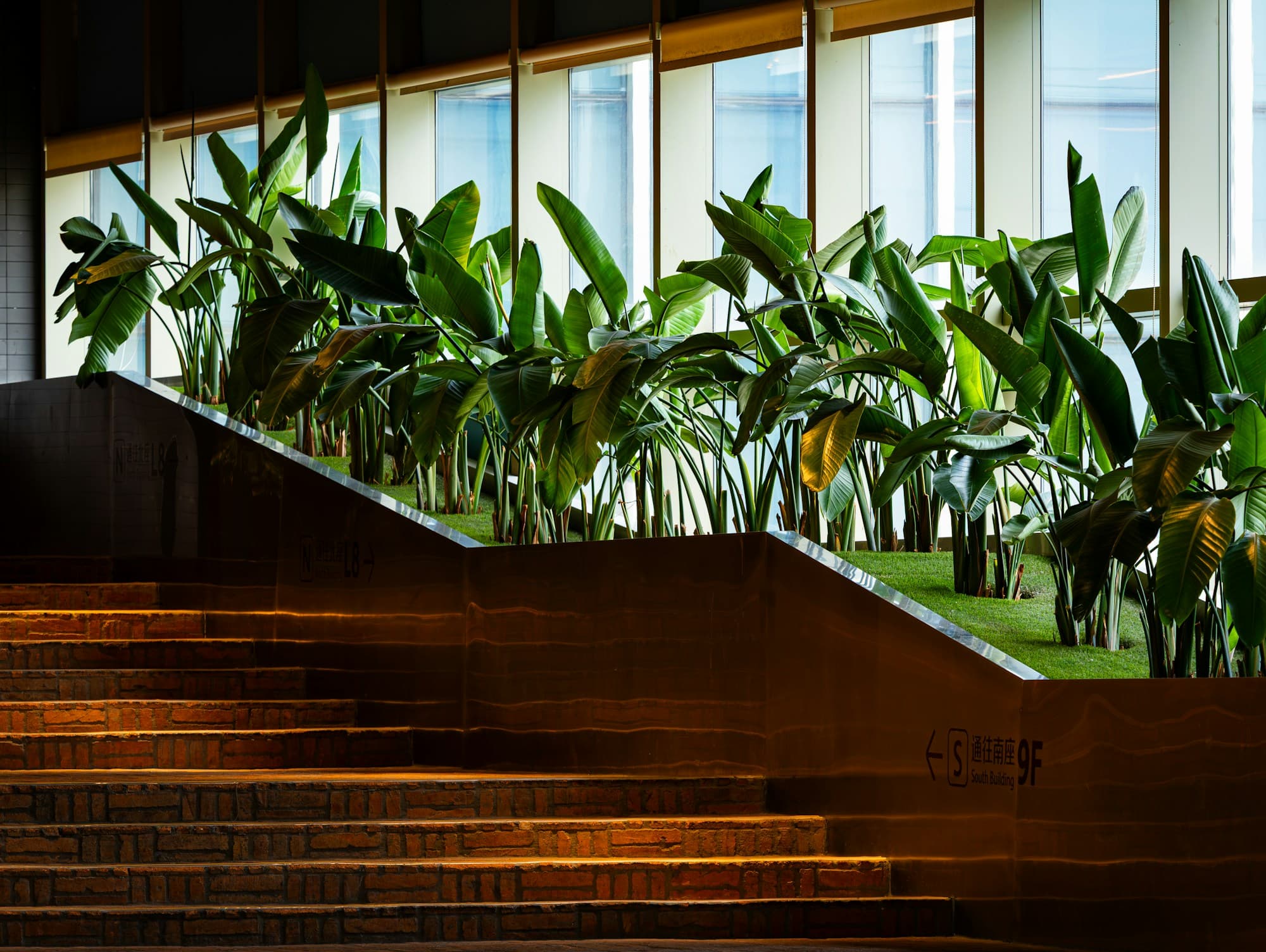
The Flagship Zone
Where wellness real estate and luxury retail share the same room — because they speak to the same buyer.
Five hundred square metres at the heart of the venue: walkthrough mock-ups of branded wellness residences, biophilic installations, and rare crystal houses placed beside the architects shaping the next decade of conscious communities.
The Wellness Economy
Global Wellness Economy
Total market value, 2022 estimate
Global Wellness Institute, 2023 Wellness Economy Monitor
ROI on Workplace Wellness
Average return per $1 invested
Harvard Business Review / WHO meta-analysis
Wellness Real Estate CAGR
Fastest-growing real estate class globally
Global Wellness Institute, Wellness Real Estate Report 2023
Delegates Expected
Senior decision-makers across 40+ countries
MysticVerse Global 2026 projections
The Room
We cap the room because the value of MysticVerse is its calibration, not its volume. Every seat is allocated to someone who builds, holds, or directs capital in the conscious economy.
Personal wealth directed toward wellness real estate, longevity programmes, and consciousness-led lifestyle infrastructure.
Senior principals behind the next generation of wellness residences, biophilic hotels, and regenerative resorts.
Executives holding corporate wellness budgets and steering human capital strategy in organisations of 500+.
Founders scaling in the conscious luxury space, and the family offices and growth funds backing them.
Capital searching for the next category-defining wellness investment — real estate, brand, or science.
The wisdom keepers and master practitioners whose depth anchors the conference's credibility.
Partners & Collaborators
A curated network of brands and institutions already committed to MysticVerse Global 2026. Further partners confirmed weekly.

From The Journal
Not all of it belongs on a stage. Some arrives quietly, on the page.
The Global Series
One platform, travelling the world's capitals of conscious capital. Here is where the series goes next.
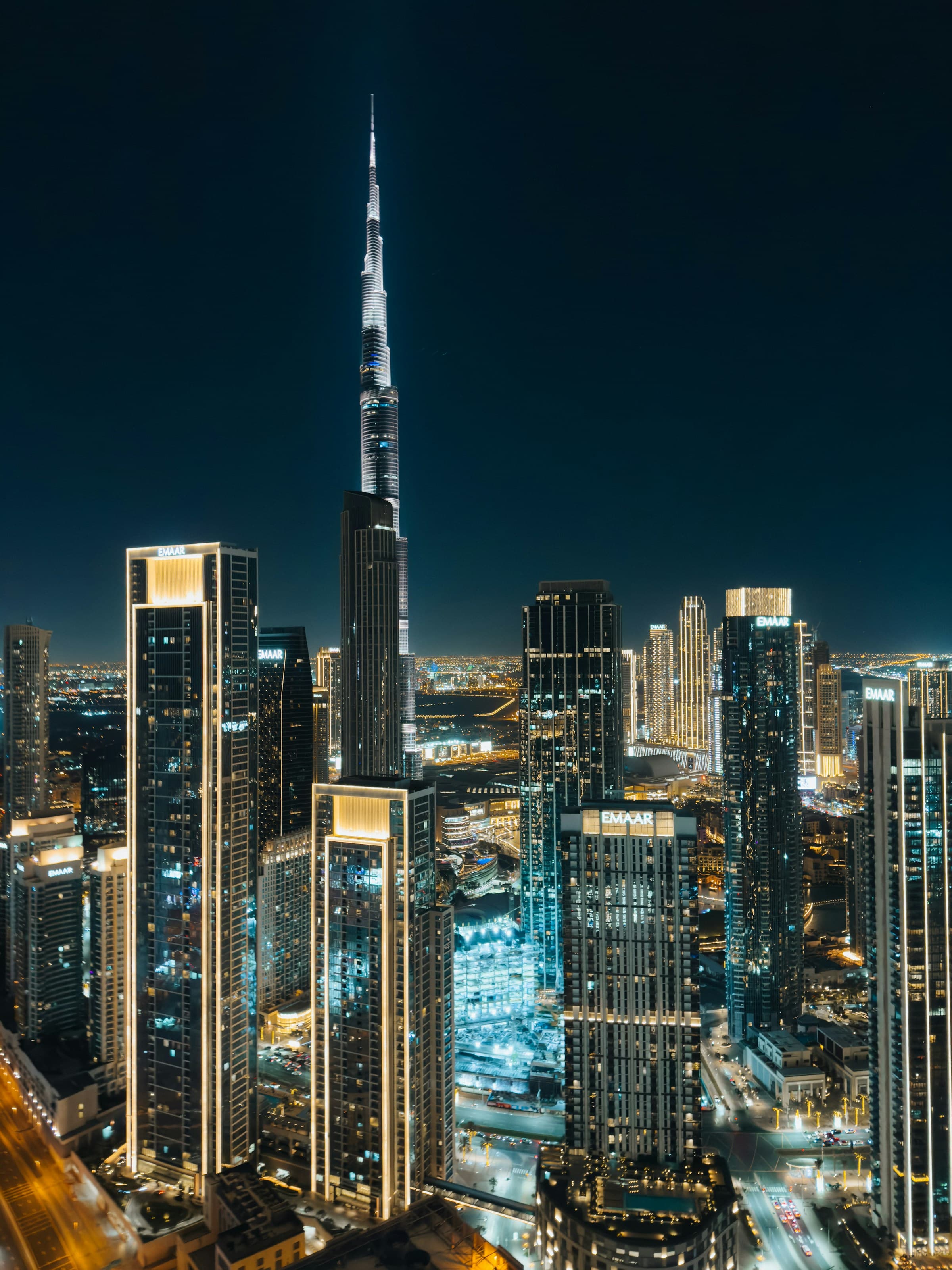
Two days where the builders, investors, and practitioners shaping the conscious luxury economy — and the people buying into it — share the same room.
Reserve Your SeatThe series continues into Asia. Be first to know when dates and venue are announced.
Notify MeThe platform expands. The next host city will be announced in due course.
Announcement to follow