
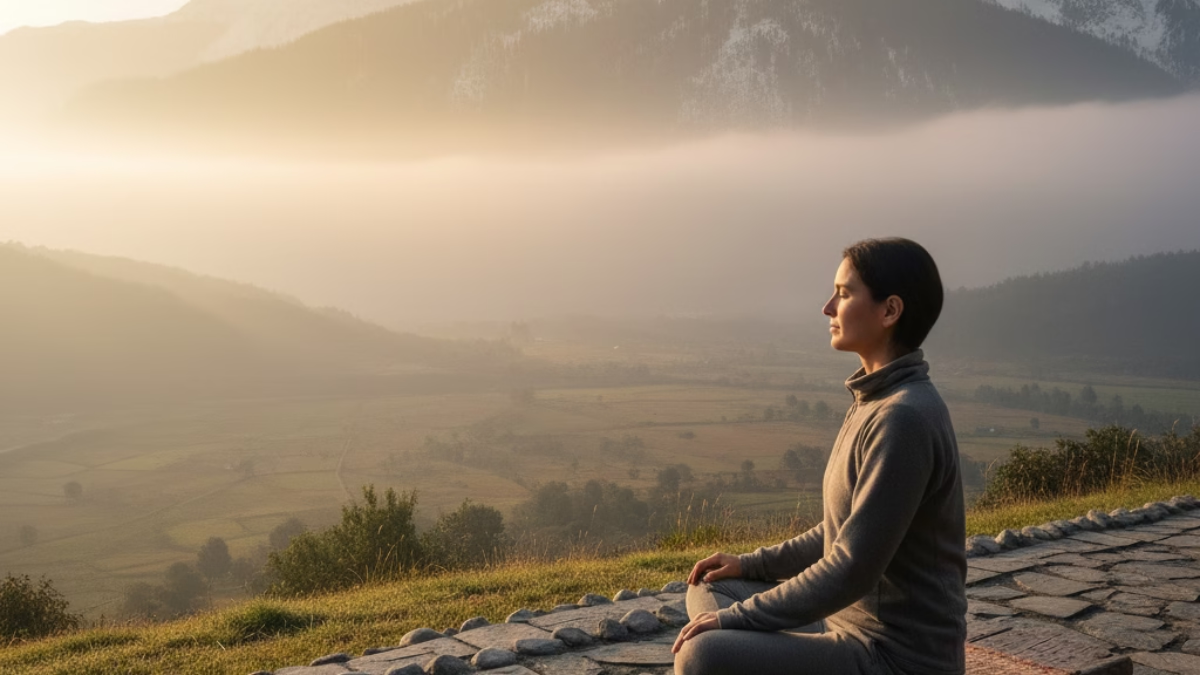
In an age of constant noise, digital overwhelm, and emotional burnout, spiritual retreats have become sanctuaries for people seeking clarity, peace, and renewal. Far from being escapist vacations, these retreats offer intentionally designed spaces where individuals disconnect from routine stressors and reconnect with themselves. Research in psychology and wellness consistently shows that spiritual retreats, whether rooted in mindfulness, yoga, meditation, or traditional spiritual practices, provide measurable benefits to mental health and emotional resilience.
Below is a clear, point-based, and logical exploration of how spiritual retreats significantly improving mental well-being.
1. Deep Rest and Nervous System Reset
One of the biggest mental health benefits of spiritual retreats is the opportunity to rest. Unlike the regular holidays, retreats are built around silence, slow living, and minimal stimulation. This allows the nervous system to shift from “fight-or-flight” to “rest-and-digest,” reducing anxiety, irritability, and emotional fatigue. It has been shown and reflected by studies which show that meditation retreats help lower cortisol levels and enhance parasympathetic activity, which improves calmness and sleep quality.
2. Mindfulness Practices that Reduce Anxiety
Most retreats include guided meditation, mindful breathing, nature walks, or yoga sessions, all of which have clinically proven mental health benefits. Mindfulness exercises help people to become aware of their thoughts instead of being overwhelmed by them. This reduces rumination, increases emotional clarity, and helps individuals cope better with stress and uncertainty.
3. Emotional Detox and Inner Clarity
Spiritual retreats often encourage structured silence (like Vipassana retreats), journaling, and introspection. These practices help participants let go of suppressed emotions and mental clutter. It has been highlighted by many individual report insights about their life purpose, relationships, or emotional patterns, simply because they finally have uninterrupted time with their own thoughts.
4. Digital Detox and Reduced Mental Overload
By distancing participants from constant notifications and social media, retreats create mental space for creativity and clarity. Digital detoxing has been linked to developing an improved attention span for creating better mood stability and reduced social comparison, which are all essential for good mental hygiene.
5. Connection with Nature and Grounding
Most spiritual retreats are located in natural environmental settings like forests, mountains, riversides, or coastal areas. Nature has a scientifically verified healing effect on the brain, as it reduces stress hormones, improves focus, and increases dopamine levels. The combination of nature and spiritual practice amplifies peace, gratitude, and emotional balance.
6. Community Experiences that Heal
Sharing meditation halls, group activities, or reflective conversations with like-minded people fosters emotional support and belonging. Social connection is one of the strongest predictors of mental well-being, and retreats naturally create safe spaces for authentic bonding.
7. Long-Term Positive Lifestyle Changes
Retreats often teach sustainable practices like daily meditation, mindful eating, gratitude routines, or breathwork. Even after leaving the retreat, individuals carry these habits back into their routine, supporting long-term mental wellness.
Conclusion
Spiritual retreats are not about running away from life but about returning to it with greater clarity, compassion, and mental strength. In a world that constantly demands our attention, retreats remind us to honour our silence, simplicity, and inner presence, as they come as gifts that are fundamental to our mental well-being.
Sources Referred-
https://greatergood.berkeley.edu/topic/nature
https://www.mindful.org/category/science


Add a Comment