
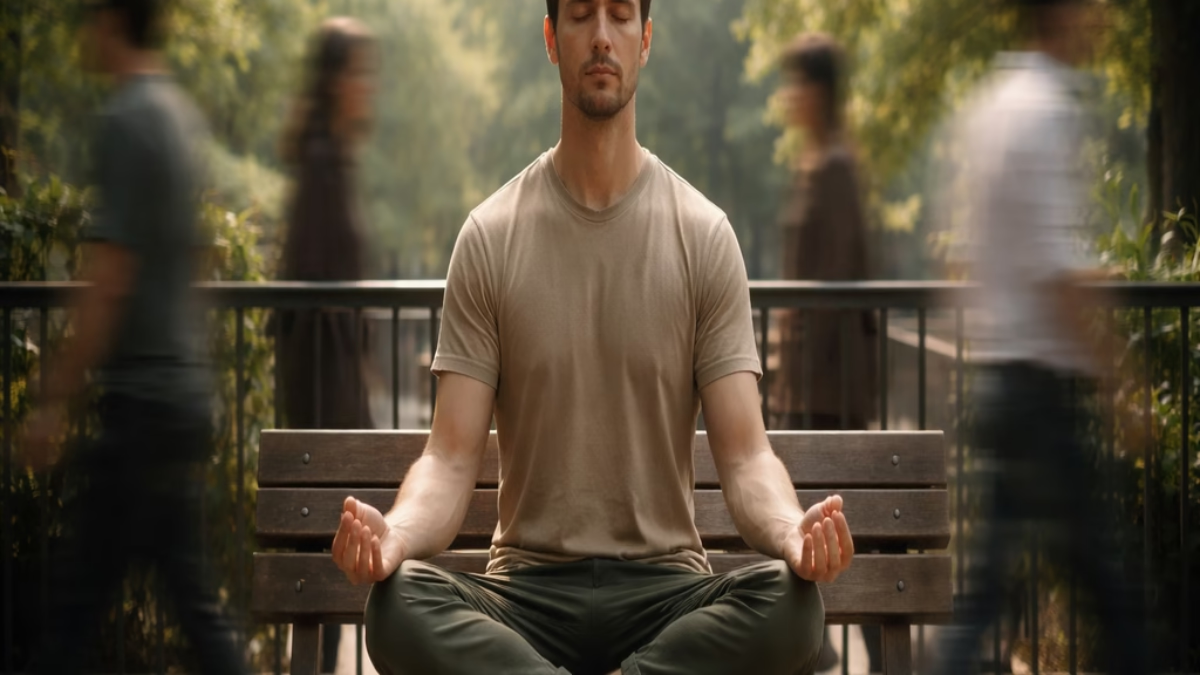
In the rush of modern life, our minds make us feel like crowded marketplaces, where our thoughts, worries, to-dos, fears, and hopes all clamour for attention. If there were a simple, age-old practice that offers a gentle way to quiet this noise, centre yourself, and reconnect with inner calm, that is where meditation comes in.
Meditation is not just a “nice-to-have” luxury, rather, it is a powerful practice grounded in both ancient wisdom and modern science. At its heart, meditation is about training our mind to focus, to observe our thoughts without judgment, and to return to the present moment when distractions arise.
What are the benefits of meditating?
- Reducing Stress and Promoting Emotional Balance
One of the most celebrated effects of meditation is stress reduction. By calming the constant chatter of the mind and focusing attention, often on our breath or a focal point, meditation helps counter the body’s stress response. Over time, this can lead to significantly lower levels of anxiety and emotional turbulence. With regular practice, many people experience improved emotional regulation: fewer mood swings, less reactivity, and a deeper sense of inner peace.
- Sharpened Mental Clarity, Focus & Self-Awareness
Meditation is also like a workout for the brain. Just as physical exercise trains our body, meditation trains our mind. Practitioners often report better concentration, enhanced memory, and a clearer thought process that helps them to enhance their approach towards life’s challenges more calmly and efficiently. Beyond focus, meditation cultivates self-awareness.
- Better Sleep, Health & Overall Well-being
Meditation helps the nervous system relax and reduces mental overactivity. Many people find it easier to fall asleep and enjoy deeper, more restful nights. Longer-term benefits may include improvements to physical health, ranging from lower blood pressure to a more balanced immune response. Regular meditation has been associated with better body-mind harmony, making it a holistic tool for well-being.
How to Begin? Simple and Transformative Steps in Mediating
There is no need for fancy equipment, mystical rituals, or a guide to start meditating. A quiet corner, a comfortable seat, and a few minutes each day can make a difference.
- Choose a simple anchor: Many people begin by focusing on their breath, noticing the inhalation and exhalation. When the mind wanders (and it will), gently bring it back to the breath.
- Be kind to ourselves: The goal is not to stop thoughts altogether; it is unrealistic. It is about observing thoughts, letting them pass, and returning attention.
- Start small, stay consistent: Even 5–10 minutes daily can create meaningful change over weeks or months. Consistency matters more than duration.
A Long-Term Gift to Yourself
In a world filled with noise or external and internal distractions, meditation offers a sanctuary. It helps us slow down, breathe, observe, and respond rather than react. Over time, that becomes not just a skill, but a way of being. Whether we seek relief from stress, mental clarity, emotional balance, or a deeper sense of inner calm, meditation can be our companion. In the hustle of everyday life, it offers a pause that transforms, a quiet space inside where we reconnect with ourselves.
Sources Referred-
https://health.cornell.edu/resources/health-topics/meditation.com
https://www.mayoclinic.org/tests-procedures/meditation/in-depth/meditation/art.com
https://www.healthline.com/nutrition/12-benefits-of-meditation.html?utm


Add a Comment