Redefining Conscious Luxury Through Architecture and Built Environments
The global understanding of high-end living has arrived at a profound historical crossroads. For generations, traditional luxury residential development relied almost exclusively upon superficial assertions of prestige. Success was measured through monumental square footage, rare imported marble, gold-plated fittings, and exclusive zip codes. These outward emblems of affluence satisfied ego and social display, yet they routinely concealed an underlying biological deficit. Residents frequently found themselves living inside hermetically sealed structures composed of toxic synthetic finishes, illuminated by harsh artificial blue glare, and saturated with chronic acoustic turbulence. Within these opulent quarters, occupants suffered from fragmented sleep patterns, elevated systemic inflammation, and persistent mental fatigue. Today, an intellectual and commercial realignment is transforming the luxury landscape. True modern luxury is no longer defined by decorative extravagance, but by an intentional built environment engineered to optimize human biology, emotional balance, and environmental vitality.
Conscious luxury living recognizes that human biology cannot thrive in isolation from natural systems. The rapid urbanization of major metropolitan canters has separated modern individuals from the restorative rhythms of the Earth. Residents spend long hours away from natural sensory variation, dynamic daylight transitions, clean atmospheric currents, and restorative quiet. As private wealth allocators, master developers, and family offices evaluate the future of high-value real estate, focus is shifting toward properties that actively nourish human physiology. When an individual steps into a home curated under conscious living principles, every square meter functions as an active health catalyst. Air purification systems operate continuously to eliminate fine particulate matter, volatile organic compounds, and airborne pathogens, delivering pure atmospheric currents that support deep respiratory function and cognitive clarity. Water infrastructure employs advanced mineral revitalization and multi-stage filtration processes, removing heavy metals and microplastics while restoring natural molecular vitality to every tap.
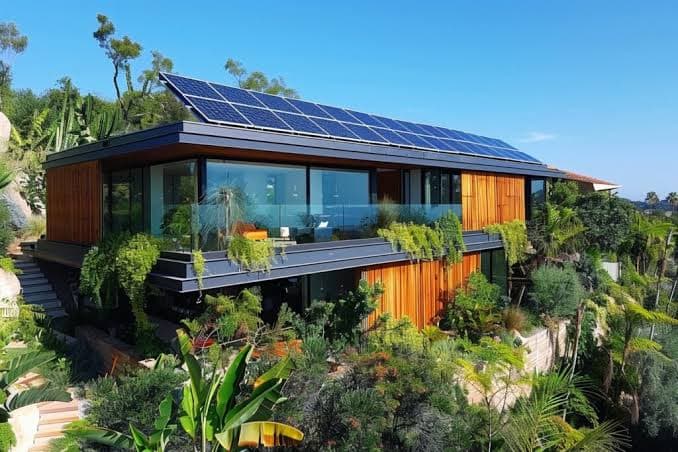
Biophilic architecture forms the foundation of this physical evolution. Biophilic design is not a decorative gimmick involving potted plants or passive botanical displays arranged inside a penthouse foyer. It represents an exact, evidence-based architectural discipline rooted in evolutionary biology and environmental neurobiology. The human sensory nervous system evolved over hundreds of millennia amidst natural geometries, organic fractal patterns, variable wind currents, and dappled sunlight. When architects integrate raw stone, cross-laminated timber, expansive living vertical ecosystems, and natural water installations into interior living spaces, our neurological systems interpret these visual and tactile signals as safety and equilibrium. Peer-reviewed research repeatedly confirms that daily exposure to biophilic design lowers baseline salivary cortisol levels, increases heart rate variability, stabilizes resting blood pressure, and promotes sustained executive cognitive function. Residential towers and private estates designed with these principles offer restorative retreats that shield occupants from the nervous system overload of modern commercial life.
Circadian lighting design represents another vital technical element of the conscious built environment. Traditional artificial illumination emits sharp, static spectral frequencies that confuse the pineal gland, suppress essential nighttime melatonin production, and dismantle natural human sleep-wake cycles. High-net-worth professionals and corporate executives frequently operate under constant light pollution, which degrades deep cellular recovery and accelerates biological aging. The modern architectural standard replaces conventional electrical setups with intelligent biodynamic lighting arrays. These systems intuitively mimic the subtle Kelvin shifts and intensity curves of natural sunlight from morning dawn to late evening twilight. Morning illumination delivers clean blue-enriched frequencies that stimulate natural daytime cortisol production, alertness, and metabolic drive. As twilight arrives, lighting smoothly shifts into warm amber wavelengths free of blue-spectrum disruption, gently inviting the nervous system toward deep parasympathetic recovery and restorative cellular sleep.
In addition to advanced sensory and environmental engineering, modern luxury design integrates timeless spatial philosophy into contemporary master planning. Across world history, ancestral societies recognized that physical orientation, spatial proportions, and natural environmental forces profoundly shape human well-being. Classical traditions developed intricate spatial methodologies that aligned domestic shelters with solar trajectories, magnetic polarities, and elemental dynamics. Although twentieth-century industrial architecture often discarded these disciplines as nostalgic folklore, modern neuroarchitecture and environmental psychology increasingly validate their foundational instincts. Spatial layouts that facilitate unobstructed movement, establish clear energetic sightlines, minimize ambient visual clutter, and honor natural environmental axes create measurable psychological tranquility. Inhabitants report greater mental clarity, lower subconscious stress, and enhanced domestic harmony when their living quarters respect these subtle geometry laws.
The commercial implications of conscious living are extraordinary. With the global wellness market expanding well past six trillion dollars, wellness real estate has emerged as its most dynamic commercial frontier. High-net-worth individuals, institutional asset managers, and generational family offices are deliberately moving capital away from resource-depleting luxury assets toward wellness real estate developments and restorative private estates. These projects consistently command premium capital valuations, show higher lease retention rates, and demonstrate steady economic resilience. Investors understand that biological health, mental longevity, and emotional serenity represent the ultimate irreplaceable assets of life. A luxury penthouse that diminishes human vitality through artificial environments and synthetic off-gassing is no longer an asset of true distinction; it represents obsolete spatial engineering.
Conscious living also demands an uncompromising commitment to ecological stewardship and sustainable building methodologies. A residential community cannot claim to cultivate human wellness if its underlying construction destroys the surrounding biosphere or exhausts finite environmental reserves. True conscious luxury eliminates the false trade-off between uncompromising material refinement and ecological regeneration. Forward-thinking real estate projects incorporate sustainable cross-laminated timber, local carbon-sequestering masonry, geothermal heating, rainwater harvesting, closed-loop waste systems, and net-positive energy designs. These developments enrich their immediate regional ecosystems, replenish native plant species, and support vibrant local biodiversity. This holistic approach ensures that personal vitality and planetary renewal support each other in complete balance.
The social and communal dimensions of conscious luxury residences are equally vital. Human beings are deeply relational creatures whose long-term health depends upon genuine social connection, mutual respect, and communal belonging. Traditional luxury urban development’s frequently isolate residents behind impersonal security barriers and anonymous elevator corridors, creating deep social isolation despite dense physical proximity. In contrast, conscious real estate ecosystems deliberately incorporate serene gathering spaces, communal organic gardens, communal contemplation chambers, thermal bathhouses, and dedicated movement studios. These intentional communal hubs bring like-minded individuals together to share deep intellectual discourse, engage in restorative practices, and form lasting personal friendships.
This ongoing transformation represents an unprecedented meeting point between material prosperity and inner awareness. When elite property developers, private wealth allocators, master architects, and holistic practitioners collaborate, they bridge the gap between abstract visionary design and concrete capital allocation. This alignment ensures that upcoming residential districts, hospitality sanctuaries, and private residences are built with deliberate awareness. Conscious luxury is not a passing marketing phrase or an elitist design style. It is a fundamental philosophical realignment that returns human architecture to its highest authentic purpose: serving as an enduring physical sanctuary that protects human vitality, sharpens the mind, and elevates consciousness for generations to come.