
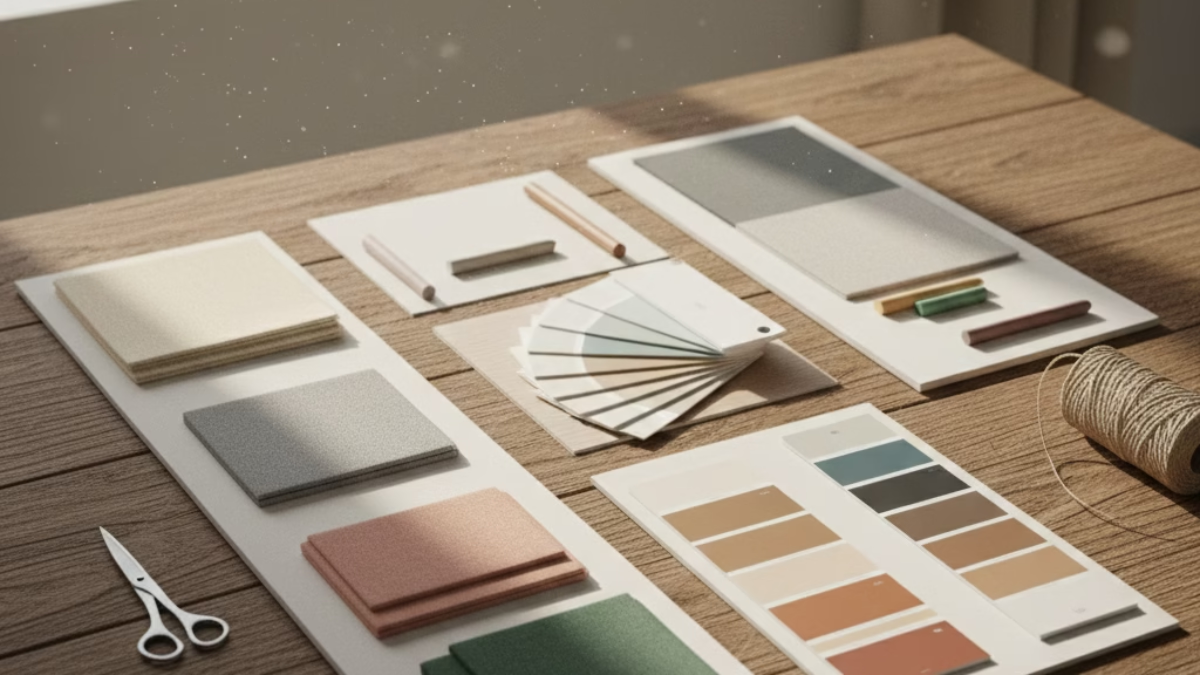
Colour is far more than a visual experience, it is an emotional language that our mind instinctively understands. Whether it is the calming softness of blue, the energizing spark of yellow, or the grounding comfort of earthy tones, colours influence how we feel, think, and behave. Colour Therapy is also known as Chromotherapy, which uses this principle to promote emotional well-being and inner healing. Below is a simple, descriptive, and human-friendly exploration of how different colours shape our mood and support wellness.
What Is Colour Therapy?
Colour Therapy is a holistic healing method that uses the vibrational frequencies of colours to restore balance in the body and mind. Each colour corresponds to a unique wavelength and psychological impact, subtly helping us shift moods and emotional states.
How Colours Affect Our Mood: A Point-Based Exploration?
1. Red – Energy, Passion & Activation
- Red instantly grabs attention and increases physical energy.
- It stimulates circulation, boosts alertness, and enhances confidence.
- However, too much red can elevate stress or anxiety.
It is best for motivation, combating lethargy, and physical activity spaces.
2. Blue – Calm, Peace & Mental Clarity
- Blue lowers heart rate and create a deep sense of relaxation.
- It is associated with emotional stability and clear thinking.
- Light blue soothes anxiety, while deep blue enhances focus.
It is best for meditation rooms, bedrooms, and workspaces.
3. Yellow – Happiness, Creativity & Optimism
- Yellow stimulates mental activity and creativity.
- It fosters joy, warmth, and positivity.
- Overuse can sometimes cause irritability, so balance is key.
It is best for creative studios, study areas, and social spaces.
4. Green – Harmony, Renewal & Emotional Balance
- Green symbolizes nature and promotes internal balance.
- It reduces stress, helps with emotional healing, and relaxes the nervous system.
- It also enhances feelings of safety and reassurance.
Best for therapy rooms, living areas, and gardens.
5. Purple – Spirituality, Imagination & Wisdom
- Purple combines the stability of blue and the intensity of red.
- It stimulates creativity, intuition, and spiritual awareness.
- Lighter shades like lavender are known for their calming effects.
It is best for acts like healing spaces, bedrooms, and meditation corners.
6. Orange – Enthusiasm, Warmth & Social Energy
- Orange boosts energy and is associated with vitality.
- It improves appetite, communication, and enthusiasm.
- A great mood-lifter during low-energy days.
They are best for efforts like social rooms, dining spaces, and fitness areas.
7. Pink – Compassion, Gentleness & Emotional Comfort
- Soft pink shades encourage feelings of compassion and emotional softness.
- They soothe anger, relieve emotional tension, and create a nurturing environment.
This colour is best for self-care spaces, children’s rooms.
8. White – Purity, Clarity & Freshness
- White opens spaces and clears mental clutter.
- It brings a sense of purity and new beginnings.
- Too much white may feel sterile unless balanced with warm tones.
Best for workspaces, studios, and minimalistic environments.
How to use Colour Therapy in Daily Life?
Colours influence us more deeply than we often realise, and using them intentionally can help create emotional balance and clarity. Wearing clothing in colours that reflect your emotional needs can subtly shift your mindset, while coloured lighting can instantly transform the mood of a room. Mindful decoration, placing calming shades in rest areas and energizing tones in activity zones, helps create harmony in your environment. We can also practice colour-visualization meditations to tap into the healing energy of specific hues. Colours speak without words, and when we learn to listen, they guide us gently toward balance, clarity, and inner healing.
Sources Referred-
https://www.verywellmind.com/color-psychology-2795824


Add a Comment